2026-10-24 ·
Checking for Moisture Issues in Air Ducts After Summer Humidity
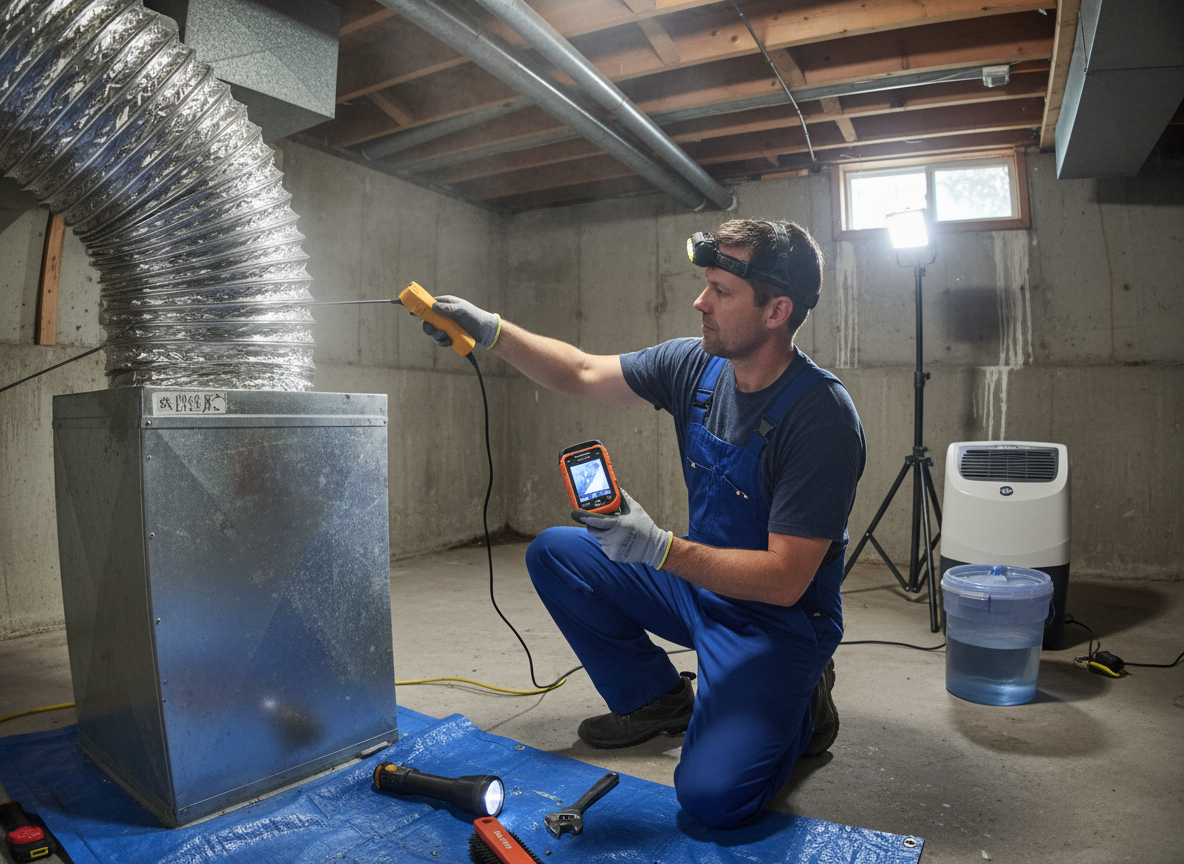
After Bridgewater's humid summer months, inspect air ducts for moisture within 3-6 weeks of peak humidity to catch condensation before it leads to mold in the cooling season ahead. Four distinct seasons with moderate precipitation mean the shift from warm, damp air to cooler fall temperatures often traps moisture inside metal ducts, especially in homes built before 1990 that lack modern vapor barriers. Neighborhoods like Finderne and Martinsville sit on terrain with slight elevation changes that affect airflow patterns, making lower-level runs more prone to standing water residue.
How Local Climate Creates Moisture Problems
Bridgewater experiences muggy July and August days that push indoor relative humidity above 60 percent for weeks at a time. When the system cycles off, warm moist air lingers inside supply and return runs, cooling against the duct walls and forming droplets that collect at joints or low spots. Homes near Duke Farms and Bridgewater Commons often sit on slightly heavier soils that retain ground moisture, increasing basement and crawl-space humidity that migrates upward into the ductwork. The moderate rainfall totals keep the ground damp without flooding, so the issue shows up as persistent condensation rather than standing water. Residents in Somerville and Raritan report similar patterns because the same Somerset County weather patterns affect the entire corridor.
Visible Signs to Check in Bridgewater Homes
Open supply registers in several rooms and shine a flashlight along the first 2-3 feet of visible duct. Look for dark streaks, fuzzy growth, or water stains at seams; these appear most often where ducts pass through unconditioned attics or crawl spaces. In older Finderne properties, flex duct sections may feel damp to the touch or show sagging from collected weight. Martinsville homes with metal trunk lines sometimes develop rust spots near elbows after repeated summer cycles. Musty odors that strengthen when the system runs indicate hidden moisture even if stains are not obvious. Check the condensate pan and drain line on the air handler itself, as a clogged line backs moisture into the main plenum.
Step-by-Step Inspection After Summer
Turn the thermostat to fan-only mode and walk through each floor listening for gurgling or uneven airflow that signals trapped water. Remove a few vent covers and use a mirror and light to examine the first elbow; note any discoloration or debris stuck to wet surfaces. In two-story homes common around Bridgewater Center, check upstairs returns first because rising warm air carries more moisture into those runs. If you find soft insulation on ducts or visible droplets, shut the system down and avoid running it until the moisture source is addressed. Document locations with photos so a technician can target cleaning without guessing.
When Professional Help Is Needed
If inspection reveals more than isolated spots or if anyone in the household experiences increased allergy symptoms after the system runs, schedule indoor air quality services before temperatures drop. Technicians familiar with Somerset County housing stock can reach trunk lines in attics and basements that homeowners cannot safely access. For properties in Martinsville, older duct layouts often require specialized brushes and negative-air machines to remove damp debris without spreading spores. Pairing this check with air duct cleaning for allergies removes the organic material that mold feeds on once moisture is controlled.
Preventing Recurrence Before Winter
Seal obvious gaps around duct joints with mastic rather than standard tape, which fails faster in humid conditions. Keep attic insulation above R-38 so duct surfaces stay closer to indoor temperatures and reduce condensation risk. Schedule a full system review in early October while temperatures remain mild enough for safe attic access. Homeowners who follow these steps in Finderne and surrounding neighborhoods typically see fewer moisture-related callbacks the following summer.